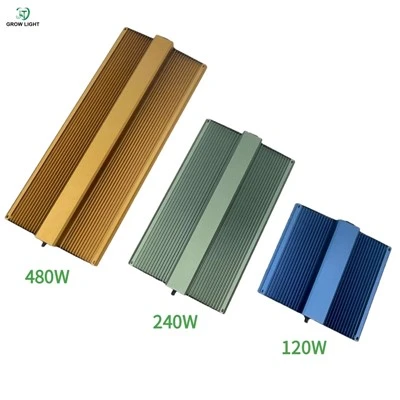
Driven by technology, through intelligent equipment such as LED grow lights, automated irrigation systems, environmental sensors, etc., planting has begun to develop from traditional flat to indoor vertical planting racks. This spatial superposition planting mode can increase the yield per unit area and achieve long-term planting. Currently, the more familiar plant factories, container planting, vertical agriculture, and medical marijuana etc., use vertical methods. So what are the differences between the two?
1.
| Multi-layer (2–5+ layers possible) | Single-layer only | |
| Maximizes vertical space; 200–400% higher density | ||
Summary: In cities or indoor places where space is expensive, vertical planting racks are the first choice for high-density planting.

2.
| Requires racks, multi-layer lighting, and irrigation systems | ||
Summary: Vertical grow racks have a large initial investment, but the return on investment is fast; traditional methods have low costs but relatively low efficiency.

3.
| Requires efficient, low-heat LEDs and optimized layout | ||
Summary: Vertical systems require professional lighting design, and it is recommended to use high-efficiency, low-heat folding or strip LED plant lights.
4.
| 2–4× higher per batch | ||
| All crop types (field-style setups) |
Summary: For high-value crops or fast-rotating crops, vertical planting can bring greater economic benefits.
5.
Summary: Vertical planting systems are more suitable for long-term development and automation upgrades.
6.
| High-value returns, multi-cycle per year | Average, season-dependent income | |
| 12–24 months | 18–36 months |
Summary: Vertical growing has excellent ROI performance after stable operation, especially for commercial growers and investment-type farmers.
1. Space planning and planting rack layout
2. Spectrum customization and inter-layer lighting optimization
3. Hydroponics and ventilation system integration
4. One-stop turnkey solution


We have successfully provided professional planting solutions for cannabis planting in the United States, vegetable planting in Canada, and herbal planting in Australia. Our repurchase rate has reached more than 90%.
If you also need a one-stop planting solution, you can contact us for more details.